
01 What it is
A training problem. With answers.
Five short sections. Read it once, front to back, before you change anything.
Athletic Ageing is Tyson's guide to training after sixty. It covers what changes in the body, what does not, and the five jobs a week has to do.
It is not a prescription. It does not know your knees, your history or your medication list. It gives you the structure and the reasoning.
It is not medical advice. If you are carrying a diagnosis or an injury, get cleared first. The guide tells you exactly what to ask.
It is not permission to go easy. Careful and light are not the same word.
02 Who it is for
If this is you, read it twice.
-
People in their fifties and sixties who intend to stay in charge of their own body.
-
Anyone who has watched someone they love lose the strength to stand up under their own power.
-
The one doing the caring. If you look after a partner who has had a stroke, this is written for you too.
-
Anyone training so gently that nothing adapts. The guide names it as the mistake it sees most in this age group.
Self-care is not selfish here. It is the most selfless thing you can do, because the person who depends on you needs you able.
03 What is inside
Five sections. Act on the second.
The guide's own contents page, with the chapters under each section.
-
What changes
And what does not.
Three clocks, not one · What does not change
-
The week
The five jobs. This is the part you act on.
Five jobs a week · Strength, then speed · The floor and the engine · Mobility, and the shape of a week
-
The ramp
How to start, and how fast to add.
Start here · Your tendons set the speed limit · The day after
-
A body with history
Training around the knees, the back and the diagnoses.
Before you start · Training around what you have · Fuel
-
The other four
The areas that decide whether any of it lasts.
Five Dimensions of Care
04 The last page
Sixty is not late.
Nothing in this guide asks you to become someone else. It asks you to keep the person you already are, in working order, for as long as you can.
That is a training problem, and training problems have answers.
Where this comes from. The figures are drawn from published guidance and peer-reviewed research. That includes the World Health Organization's physical activity guidelines for adults over sixty-five. It includes position stands from the American College of Sports Medicine and the National Strength and Conditioning Association. It also draws on an international expert position paper on protein needs in older people, and on pooled analyses of falls prevention and resistance training. None of those bodies is affiliated with MIND System or has reviewed the guide.
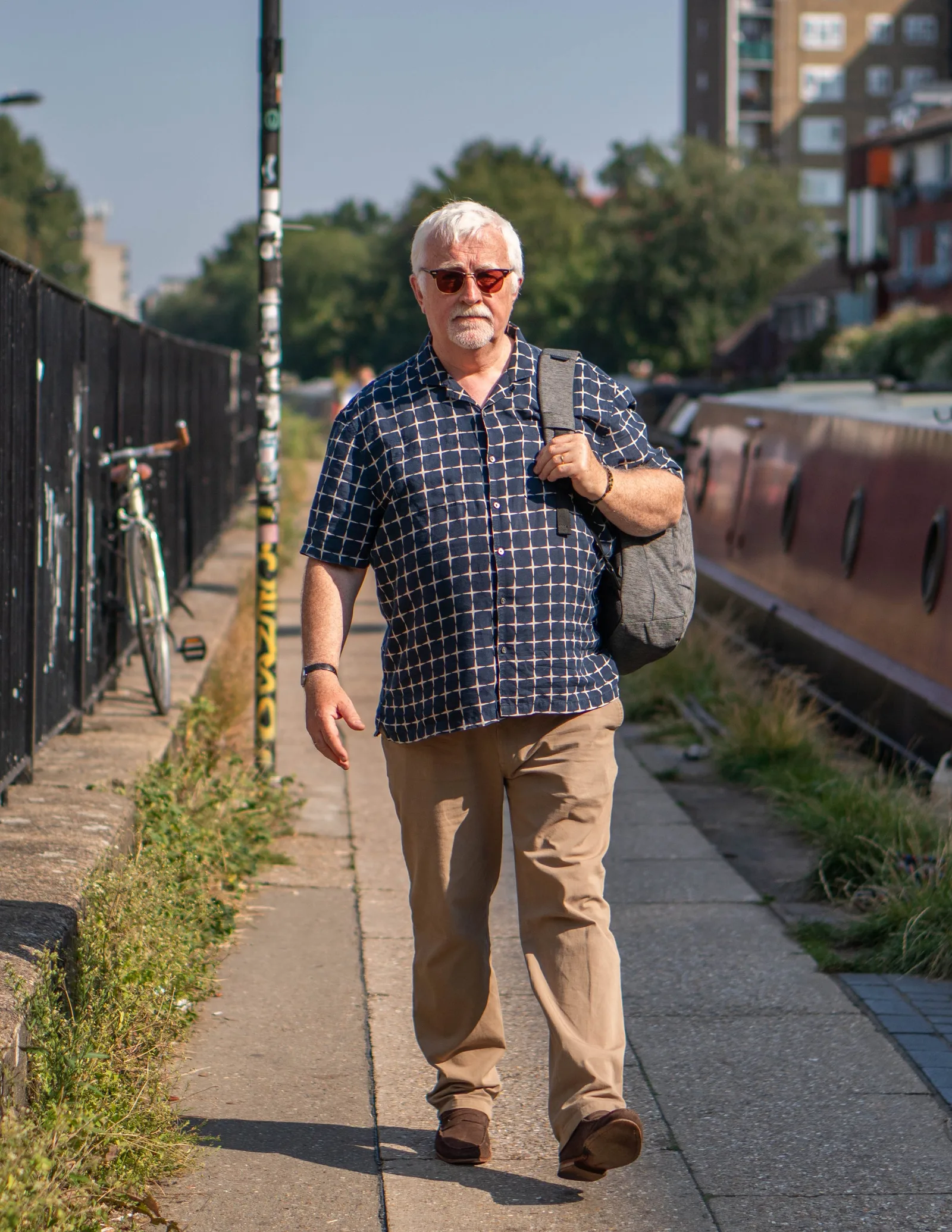
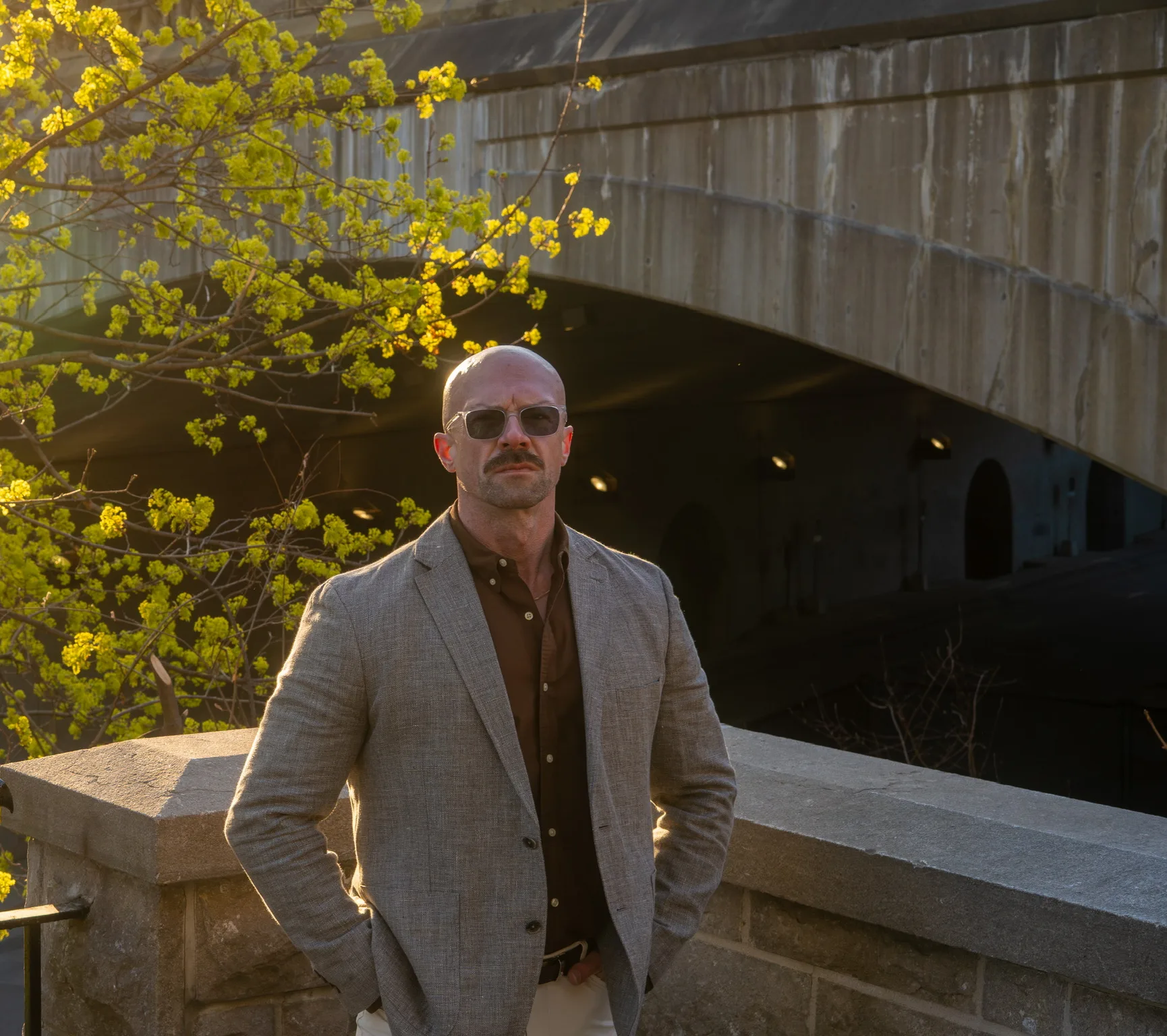
The photographs. The people pictured in the guide are not clients of MIND System. Eight of the photographs come from the Centre for Ageing Better age-positive image library under a CC0 licence, and one from Pexels. None is used with any suggestion that a person shown holds a condition the guide describes.
Keep it
Twenty-two pages. Leave your email and the PDF is yours to keep.
Forged. Not Fixed.
The next step
Have the conversation.
One call. You bring where you are. Tyson brings where the work leads. You decide if you are ready to be forged.
Your initial consultation with Tyson is $250. If you join a program, $100 of it comes off the price. Once the call is done, Tyson builds your personalized dashboard with a plan of action. Tyson replies himself, usually within a day.
Prefer to write first? Email us contact@mindsystem.ca